Featured image created by Gemini
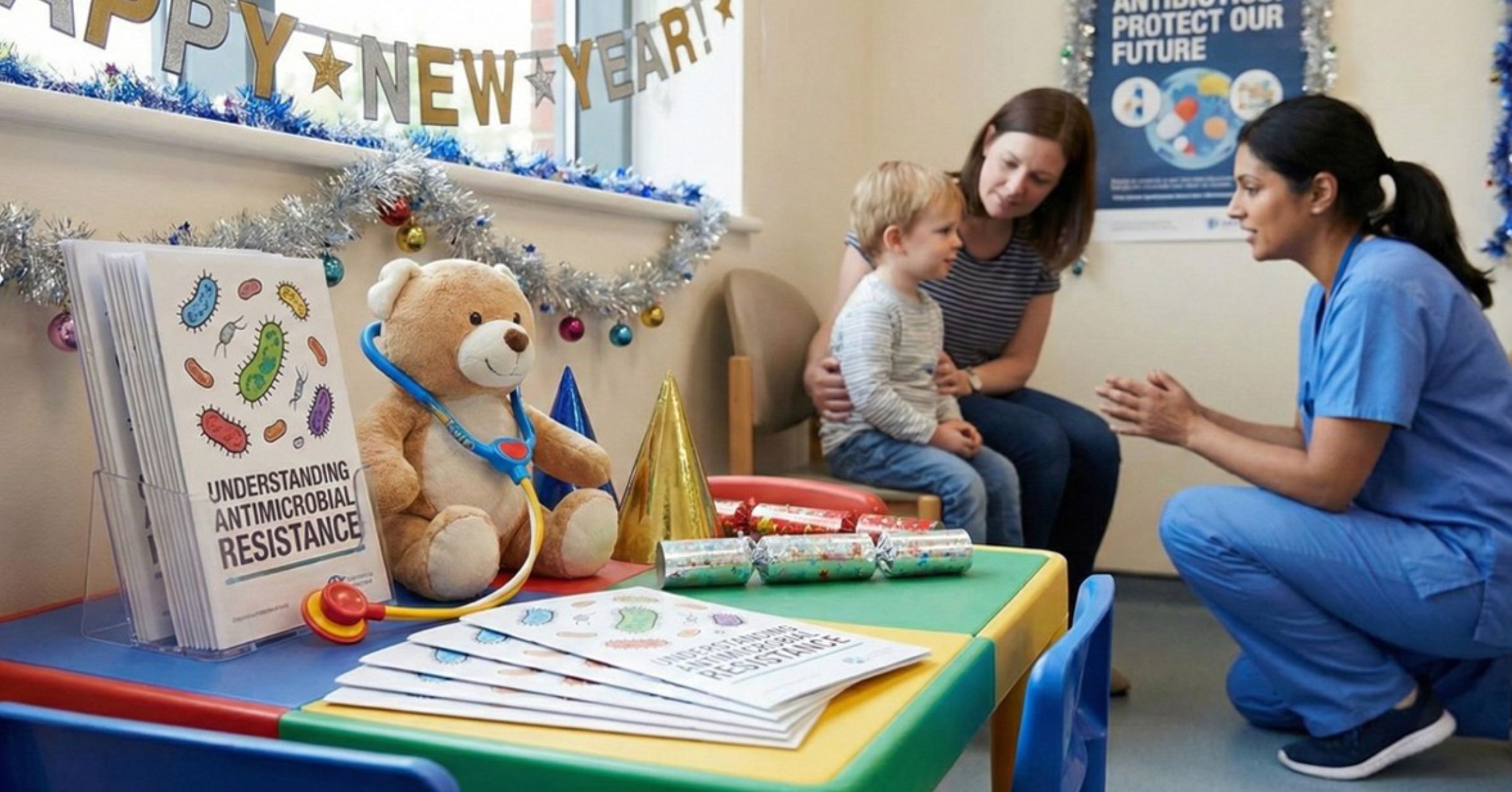
In paediatrics, New Year’s reality is often a winter waiting room – a toddler with a runny nose and a high temperature or a school aged child coughing through the night. Parents are exhausted. Clinicians are stretched. But everyone wants the same thing; for that child to be safe, comfortable and back to themselves as quickly as possible.
In those moments, antibiotics can feel like the safest and quickest tool to fix everything. A way to do something when uncertainty is uncomfortable. For those reasons, winter is when our habits around antibiotics get tested the most.
Why antibiotic use practices need a different approach
Children get ill often, especially when they’re little and coughs and colds are a normal part of childhood. They can also get worse quickly, which means sometimes treatment has to start before everything is fully clear. And they depend on antibiotics for so much modern care; newborn care, intensive care, surgery and support for complex health needs.
When resistance occurs, it can mean a child is unwell for longer, fewer options that can be given by mouth, more hospital stays, more drips and harder conversations with families. And when antibiotics are used when they are not needed (for example, for viral infections), children can get side effects with no real benefit.
Inequalities in AMR and paediatrics
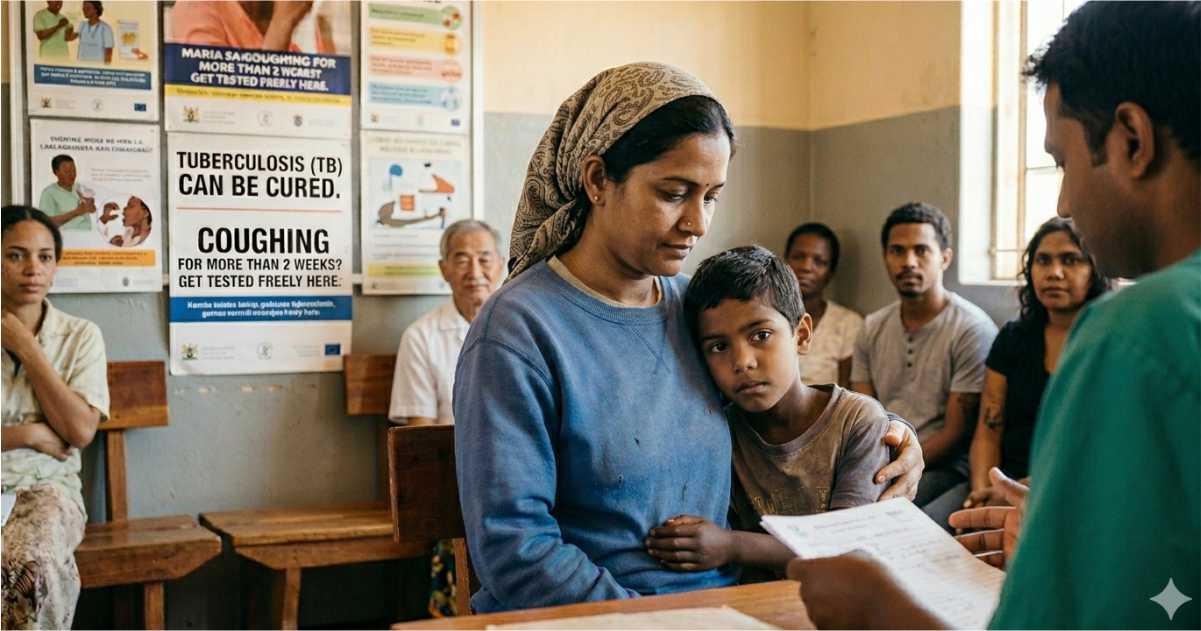
AMR doesn’t affect every child the same. Some children are more likely to be exposed to infection in the first place – particularly the ones who are exposed to overcrowded housing, damp homes, poor ventilation, air pollution, cold homes and difficulty getting a timely appointment. Some families are also under more pressure to find a fast solution. Taking time off work may not be possible. Transport might cost too much. And coming back for review if a child gets worse can be genuinely hard. That changes how antibiotic decisions are made, on both sides of the consultation. It also changes who suffers most when resistance spreads. Communities with fewer resources and less access to diagnostic tests and care tend to carry the biggest burden.
Five practical paediatric resolutions for the year ahead
1. Put prevention back at the centre
Sometimes it is best to go back to basics and remember prevention is the strongest way to reduce unfairness. The best antibiotic prescription is the one you never needed because the infection never happened. Vaccination, hand hygiene, strong infection control in hospitals and making sure schools and nurseries have what they need to reduce the spread of illness; these are all important elements in achieving effective AMR prevention strategies.
2. Make ‘no antibiotic’ a supported decision
When a parent asks for antibiotics, they usually ask for reassurance, safety and a plan.
If we decide not to prescribe, families deserve something clear and practical:
- what we think is going on,
- what to expect over the next 24–72 hours,
- what warning signs to look out for,
- where to go if things get worse,
- and how to get follow-up in a way that is realistic.
If this is done well, builds trust and prevents repeat visits to demand antibiotics when there is no indication. If this is done poorly, it can widen inequalities, because only some families can easily ‘come back’.
3. Be ambitious about diagnostic tests (and honest about access)
Often, antibiotics are prescribed because we are unsure. This year’s challenge should be to push for better, faster tests in the places children show up – GP and urgent care, emergency departments and hospital wards. Good tests and good sampling can help avoid unnecessary antibiotics and make sure the right children get the right treatment.
But access also matters. A great test doesn’t help much if it isn’t available to the children who need it most.
4. Treat antibiotic stewardship as a child and public health safety issue
This means using antibiotics only when they are likely to help, choosing the most targeted option that will work, reviewing early (and stopping if they are not needed), using the shortest effective course and avoiding sharing antibiotics or using leftovers.
Every unnecessary antibiotic prescription increases the risk for resistance to grow and it challenges the culture change around safe antibiotic use.
5. Don’t leave children out of innovation
A real New Year commitment to paediatric AMR means pushing for children to be included early in research and policies. If we don’t design AMR solutions with children in mind, we shouldn’t be surprised when children are the ones left dealing with the consequences.
The New Year is a good opportunity for all of us to make the AMR advocacy about protection for child health. If you are a parent, carer, patient or a clinician with a story about antibiotics and resistance those stories matter. They shape how people understand AMR and how decision-makers respond
Further reading
For healthcare professionals:
NICE: Suspected Sepsis in under 16s: Recognition, Diagnosis and Early Management:
https://www.nice.org.uk/guidance/ng254?utm_source=chatgpt.com
For patients and carers:
Healthier together – Fever Advice Sheet:
https://frimley-healthiertogether.nhs.uk/application/files/8616/2366/2849/NHS_Advice_Sheet.pdf_May_2021.pdf

Dr Erva Cinar
Dr Erva Cinar is a London based paediatric resident doctor and clinical researcher with interest in infectious diseases.
She is currently completing a Master’s in Public Health at the London School of Hygiene & Tropical Medicine. Through the World Medical Association’s Junior Doctor’s Network (WMA-JDN) AMR Working Group, she engages in policy and advocacy on antimicrobial resistance and stewardship at global level.
Alongside her clinical and academic roles, she works with the Royal College of Paediatrics and Child Health (RCPCH) and the International Child Health Group (ICHG); leads on organising teaching resources and educational events to improve research skills for UK paediatric trainees and for global child health professionals.
Disclaimer: The information provided on this website is intended for educational purposes only. It is not intended to be a substitute for professional medical advice, diagnosis, or treatment. Always seek the advice of your physician or other qualified health provider with any questions you may have regarding a medical condition. Never disregard professional medical advice or delay in seeking it because of something you have read on this website. Reliance on any information provided on this website is solely at your own risk. The website owners and authors are not responsible for any errors or omissions in the content or for any actions taken based on the information provided. It is recommended that you consult a qualified healthcare professional for individualised medical and health-related guidance.