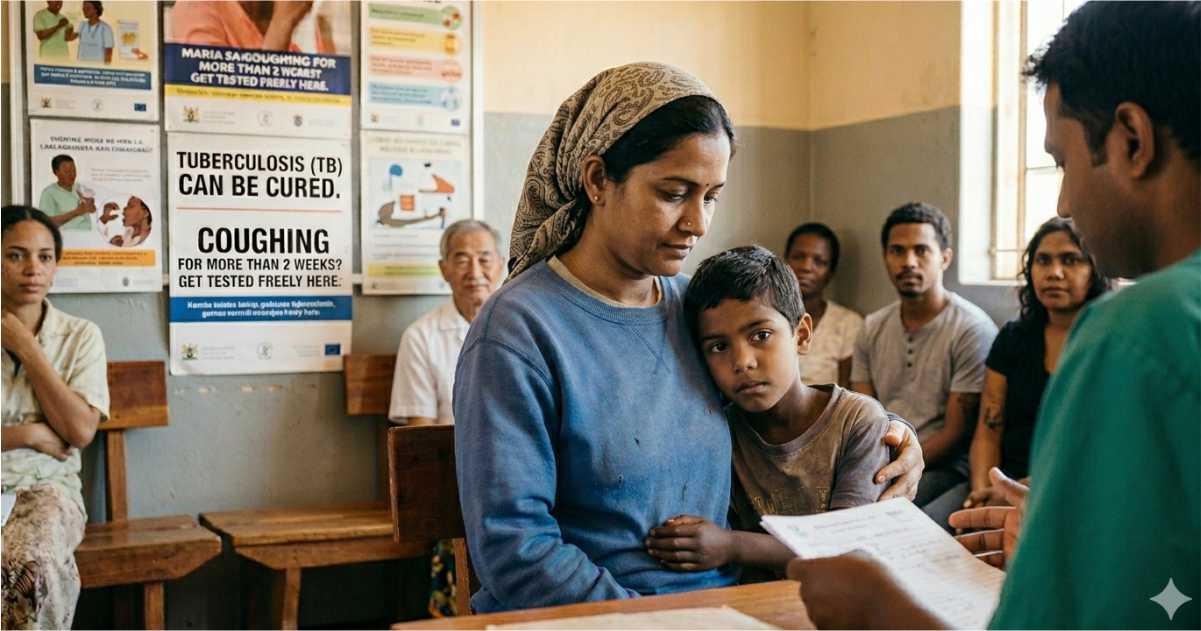
Image geneated by Gemini
Not All TB Is the Same: Understanding Drug-Resistant Tuberculosis
Each year on World TB Day, the global health community pauses to reflect on the ongoing fight against tuberculosis (TB). Despite decades of progress, TB remains one of the world’s leading infectious causes of death. Yet the disease carries a hopeful truth: TB is both preventable and curable when diagnosed early and treated with the right medicines.
However, the fight against TB is becoming more complicated. One of the greatest challenges facing health systems today is the growing problem of drug-resistant tuberculosis. In these cases, the bacteria that cause TB no longer respond to some of the medicines normally used to treat the disease.
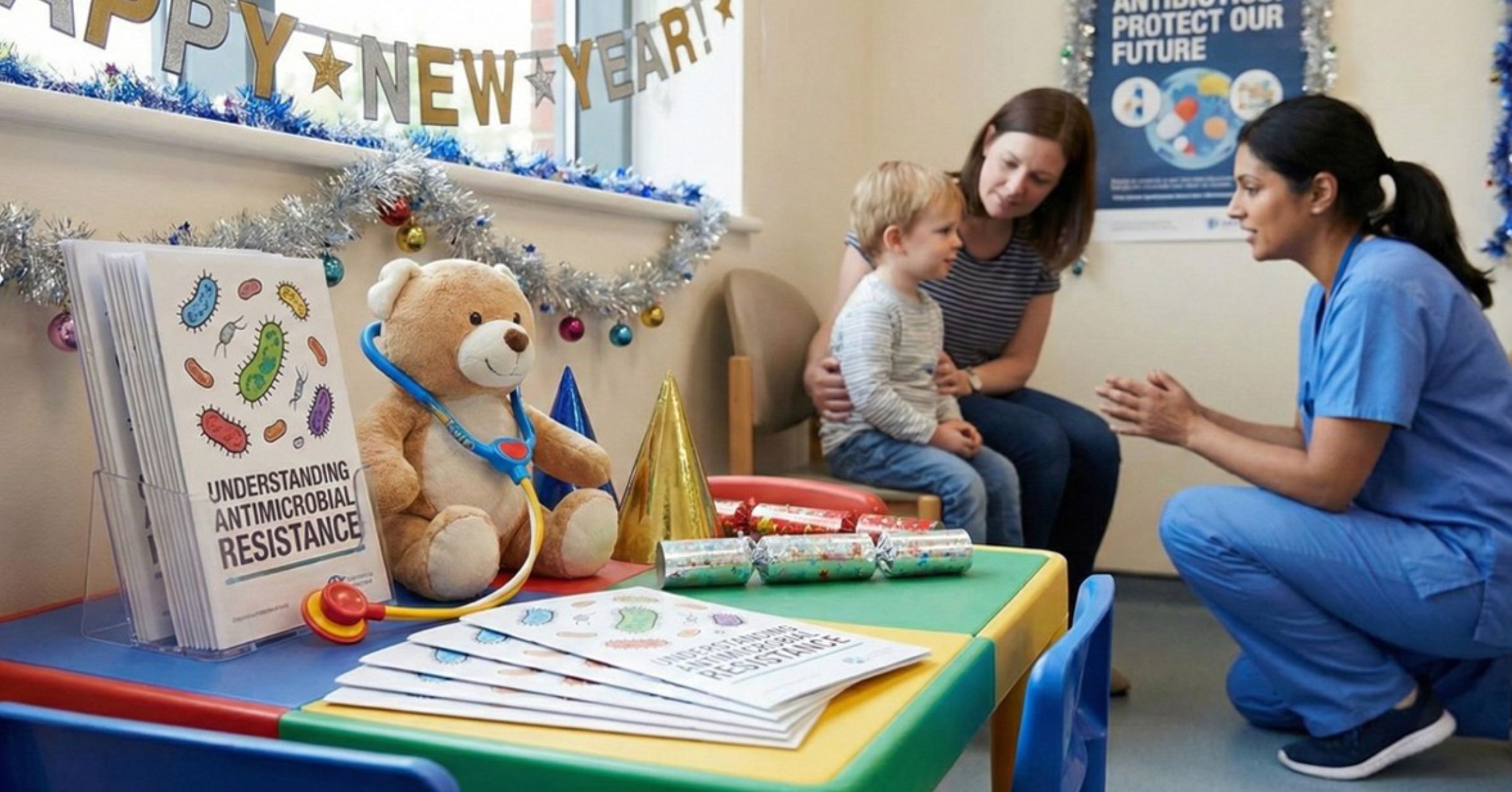
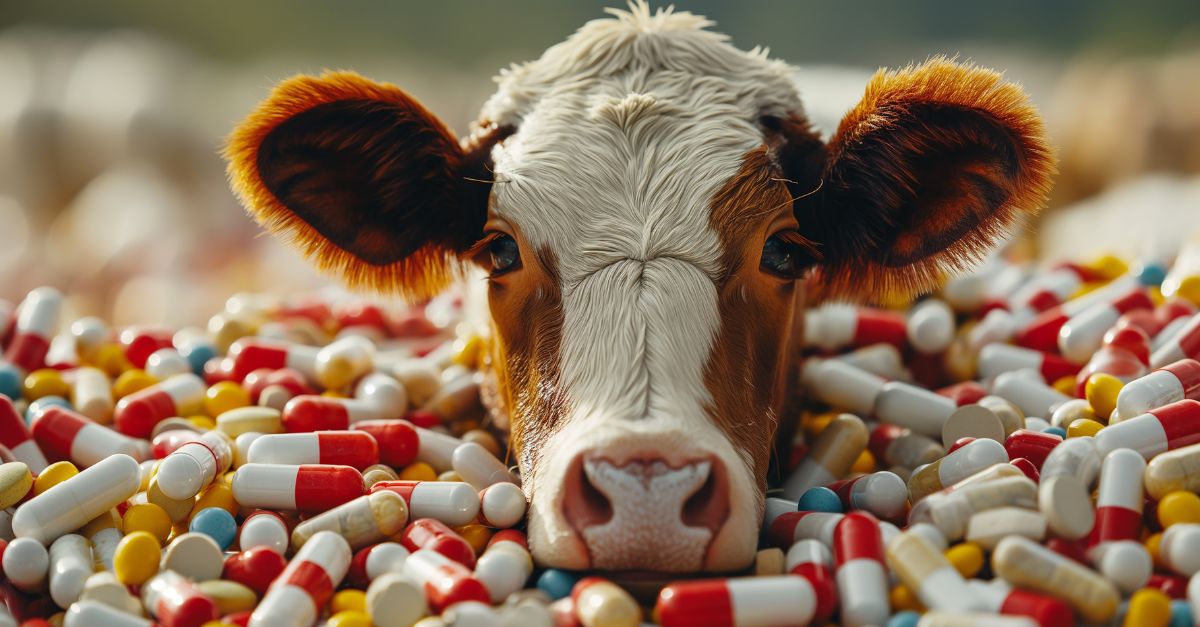
Drug-resistant TB is one of the clearest examples of Antimicrobial Resistance (AMR), a global health threat in which bacteria evolve and become resistant to medicines that once worked effectively. When this happens, infections become harder to treat, treatments become longer and more expensive, and the risk of transmission increases.
Understanding the different forms of TB, especially drug-resistant TB, is therefore important not only for healthcare professionals but also for patients, families, and communities. It also highlights a critical message: taking TB medicines exactly as prescribed can protect both individual health and the effectiveness of these medicines for others.
What is Tuberculosis?
Tuberculosis is an infectious disease caused by a bacterium called Mycobacterium tuberculosis. The disease most commonly affects the lungs, a condition known as pulmonary TB, but it can also affect other parts of the body such as the lymph nodes, bones, or even the brain.
TB spreads through the air. When a person with active TB of the lungs coughs, sneezes, laughs, or speaks, tiny droplets containing the bacteria can be released into the air. People nearby may inhale these bacteria and become infected.
The symptoms of TB can develop gradually and may include:
- A cough lasting longer than two weeks
- Chest pain
- Weight loss
- Fever
- Night sweats
- Fatigue or weakness
Although TB is a serious disease, it is also treatable and curable. Standard TB treatment uses a combination of antibiotics taken over several months to kill the bacteria and prevent the infection from spreading.
Drug-Sensitive TB: When Treatment Works Well
Most people diagnosed with TB have what is called drug-sensitive TB. In these cases, the TB bacteria respond well to the standard medicines used to treat the disease. Treatment usually involves taking a combination of antibiotics for about six months. When the medicines are taken consistently and the full course of treatment is completed, the chances of cure are very high.
Completing treatment is essential. Even when patients begin to feel better after a few weeks, some TB bacteria may still remain in the body. If treatment is stopped too early or taken irregularly, these remaining bacteria can survive and begin to adapt. It is during this process that drug resistance can develop.
When TB Medicines Stop Working
Drug-resistant TB occurs when TB bacteria survive exposure to TB medicines and develop the ability to resist them. Once this resistance develops, the medicines that previously worked may no longer be effective. Drug-resistant TB can develop in two main ways.
First, it can arise during treatment. If medicines are missed frequently, taken incorrectly, or stopped too early, some bacteria may survive and gradually become resistant.
Second, people can become infected directly with a strain of TB that is already resistant to certain medicines. In this case, drug-resistant TB is transmitted from one person to another.
Either way, the result is the same: the infection becomes more difficult to treat and requires different medicines and longer treatment regimens.
Rifampicin-Resistant TB
One of the earliest forms of drug resistance occurs when the TB bacteria become resistant to rifampicin, one of the most important first-line TB medicines. This form of the disease is known as rifampicin-resistant TB, often abbreviated as RR-TB.
Because rifampicin is a key drug in standard TB treatment, resistance to it can significantly complicate treatment. Patients diagnosed with RR-TB often require specialised treatment regimens similar to those used for multidrug-resistant TB.
Multidrug-Resistant TB
A more serious form of drug resistance is Multidrug-Resistant Tuberculosis (MDR-TB).
MDR-TB occurs when the TB bacteria are resistant to at least two of the most powerful first-line TB medicines: isoniazid and rifampicin. These two drugs form the backbone of standard TB treatment, and when both become ineffective, treating the infection becomes much more challenging.
Patients with MDR-TB usually require:
- Longer treatment regimens
- Second-line antibiotics
- Regular monitoring for side effects
Treatment for MDR-TB can last nine to eighteen months or longer, depending on the medicines used and the patient’s response to treatment.
When Resistance Becomes Even Stronger
In some situations, MDR-TB can become even more resistant.
When the TB bacteria are resistant to MDR-TB medicines and also to an important group of antibiotics known as fluoroquinolones, the condition is referred to as pre-extensively drug-resistant TB, or pre-XDR TB.
Fluoroquinolones are among the most effective medicines used to treat resistant TB. When these drugs also become ineffective, treatment options become significantly more limited. This stage illustrates how drug resistance can gradually accumulate when TB bacteria are repeatedly exposed to medicines but not completely eliminated.
Extensively Drug-Resistant TB
One of the most severe forms of the disease is Extensively Drug-Resistant Tuberculosis (XDR-TB).
In XDR-TB, the bacteria are resistant to multiple important medicines, including:
- Isoniazid
- Rifampicin
- Fluoroquinolones
- At least one additional key second-line TB drug
Because so many medicines are ineffective against these strains, treatment becomes more complicated and may require specialised care and newer medicines. Although advances in TB treatment are improving outcomes, XDR-TB remains a major public health concern worldwide.
TB and the Global Challenge of Antimicrobial Resistance
Drug-resistant TB is a powerful example of Antimicrobial Resistance in action.
Antimicrobial resistance occurs when microorganisms such as bacteria evolve in ways that allow them to survive exposure to medicines designed to kill them. As resistance spreads, infections become harder to treat and the medicines we rely on become less effective.
The consequences can be serious:
- Treatments become longer and more complicated
- Healthcare costs increase
- Patients may experience more side effects
- Resistant infections can spread within communities
This is why drug-resistant TB is both a TB challenge and an AMR challenge.
Why Taking TB Medicines Matters
One of the most powerful ways to prevent drug-resistant TB is simple but critical: taking TB medicines exactly as prescribed and completing the full course of treatment.
When TB treatment is taken correctly:
- The bacteria are effectively killed
- The infection is cured
- The risk of resistance developing is greatly reduced
However, if treatment is interrupted or stopped early, surviving bacteria may adapt and become resistant. These resistant bacteria can then multiply and spread. For this reason, healthcare providers place strong emphasis on treatment adherence, follow-up visits, and patient support throughout the treatment process.
What Patients and Communities Can Do
Preventing drug-resistant TB is not only the responsibility of healthcare systems. Patients, families, and communities all play an important role.
If you or someone you know develops symptoms of TB:
- Seek testing as early as possible
- Follow medical advice carefully
- Take TB medicines exactly as prescribed
- Complete the full course of treatment
- Attend scheduled clinic visits
Supporting people undergoing TB treatment is equally important. Encouragement, understanding, and reducing stigma can help patients stay on treatment and complete their medicines successfully.
A Shared Responsibility
TB is a disease that humanity already knows how to cure. The challenge is ensuring that the medicines we rely on continue to work.
By understanding the different types of TB and the risks of drug resistance, individuals and communities can help protect the effectiveness of these life-saving medicines.
On World TB Day, the message remains clear and hopeful:
TB can be cured. Completing treatment protects not only your health, but also the future of TB treatment for everyone.

Prof Renier Coetzee
Renier Coetzee is an associate professor at the University of the Western Cape’s (UWC) School of Public Health (SOPH). His work focuses on antimicrobial stewardship, with a particular emphasis on improving antibiotic use in low- and middle-income countries. In addition to his research, Renier is dedicated to community engagement and empowerment. He works closely with local communities to develop and implement sustainable health interventions and promote health equity and social justice. Through his work, Renier seeks to bridge the gap between academia and community, ensuring that research is translated into meaningful action. His commitment to antimicrobial stewardship and community engagement has made a significant impact in the field, and his work continues to inspire and inform public health initiatives.