
Drug-resistant TB in India and learning about the greater impact of AMR as a patient


My name is Bhakti Chavan and I am an AMR patient survivor from India. As I neared the completion of my master’s degree in biotechnology at the age of 23 in 2017, I encountered a troubling development: gastrointestinal issues.
Concerned by this, my father accompanied me to a gastroenterologist, who diagnosed irritable bowel syndrome. Thanks to medication, I managed to navigate through my final project and exams. However, amidst this health challenge, I noticed a gradual decline in my weight, attributing it initially to my ongoing gastrointestinal condition.
In June 2017, after earning my Master of Science (MSc) degree with first-class honors, I eagerly pursued job opportunities. However, my plans were interrupted when I discovered swelling on the right side of my neck. Consulting my family doctor, I was initially prescribed antibiotics, but the swelling persisted. Seeking further insight, I visited a chest physician who recommended a biopsy. Two days later, the biopsy results revealed a daunting diagnosis: multidrug-resistant tuberculosis (MDR-TB).
I was utterly stunned. How had I contracted this dangerous strain of tuberculosis? Following the diagnosis, my doctor prescribed a rigorous second-line MDR-TB therapy, which included daily injections for a minimum of six months, alongside a multitude of tablets that could extend up to two years. The gravity of the treatment weighed heavily on my family and me. Then, a revelation shook our understanding: the drug-susceptibility testing report indicated it was not MDR-TB, but rather XDR-TB (extensively drug-resistant TB). This meant that I was not only resistant to the second-line treatment, but various other last-resort treatments.
I remember sitting in my doctor’s office with my father when he told me I had XDR-TB. He gave me the phone number of another doctor and advised me to go there. It represented the number of Médecins Sans Frontières (MSF) clinics in Mumbai. My doctor advised me to start treatment with new medicines which were provided by MSF free of charge.
The doctor at MSF saw my reports and explained side effects of the medicines, including one that could affect the heart and risk of sudden death. However, with counseling and support of the MSF team, I gathered all my courage and decided to undergo treatment.
Commencing in August 2017, I was prescribed several last-resort antibiotics along with daily injections. Today there are better drugs available and injectable-free regimens are recommended; however, this wasn’t available to me at the time. The medication’s adverse effects manifested swiftly, including bouts of vomiting, weakness, and neuropathic challenges. Undergoing the painful daily injections for eight months was emotionally taxing, necessitating daily visits to the health center and disrupting my regular life. Nevertheless, I take pride in my determination to complete the injectables course without missing a single dose.
As a young, career-oriented individual, it’s undeniably challenging to come to terms with this situation. However, I count myself incredibly fortunate to have had unwavering support from my mother, father, and sister. Their commitment to support me through all circumstances has given me tremendous strength. Additionally, connecting with fellow survivors has proven to be invaluable. After taking a one-year hiatus from my education, I made the decision to pursue a postgraduate diploma to keep my mind engaged.
Today, I am filled with joy knowing that timely diagnosis and access to innovative TB treatments have led to my recovery. There’s a pressing need for these new medicines to be accessible to a larger number of patients with drug-resistant TB. I’m driven to motivate and inspire other patients to adhere to their TB therapy regimens. TB is a curable illness and we must handle novel treatments with care to prevent a scenario where no effective drugs are available, leading to the emergence of highly-resistant bacteria.
Drug-resistant tuberculosis (TB) is linked to antimicrobial resistance (AMR) because the bacteria that cause TB can develop resistance to the antibiotics commonly used to treat it, rendering these drugs ineffective and complicating treatment efforts.
I am currently dedicating myself tirelessly to advocating for patients, particularly in the realm of antimicrobial resistance (AMR). Recently appointed as a member of the WHO Task Force of AMR Survivors, my mission is to amplify the voices of others and raise awareness about the repercussions of facing a future where antibiotics and other antimicrobial medicines cease to be effective, as they were for me. If AMR happened to me, it could happen to anyone, irrespective of their location or whether they have a disease like TB. I consider myself fortunate to have survived.
Disclaimer: This story is shared with the permission of the individual(s) involved and is intended for educational and awareness purposes only. It does not represent medical advice and should not be used as a substitute for consultation with qualified healthcare professionals. While we encourage you to share the story in its original format, all rights are reserved by The AMR Narrative. Please do not reproduce, modify, or use any part of this story without prior written consent from The AMR Narrative. To request permission, please contact us here.
Bhakti was diagnosed with extensively drug-resistant tuberculosis (XDR-TB) in 2017 and required long term treatment with daily painful injections and medicines with extreme adverse effects. She was fortunate to receive newer medicines for her treatment through an International NGO as the national health system was not providing them at that time. Even with the newer medicines, she had to take a break from studies and social life for more than a year, not to forget the repeated hospital admissions to manage the adverse effects of medicines. Two years of treatment converted the young chirpy girl into a champion for patients with drug-resistant Tuberculosis. Bhakti is a clinical research professional and works for a biotech company. Bhakti is also currently serving as a member of the WHO Task Force of AMR Survivors.
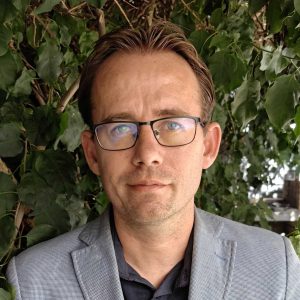
BSc (Molecular biology), BScHons (Microbiology), MBChB (Stellenbosch), FCPath SA (Microbiology), MMed Path (Microbiology), Dip HIV Man(SA)
Dr Stefan Opperman is a clinical microbiology pathologist at the National Health Laboratory Service (NHLS), Green Point Tuberculosis Laboratory, Cape Town, South Africa. He completed his specialist training in the Division of Medical Microbiology, Department of Pathology, at the University of Cape Town and Groote Schuur Hospital, where he remains actively involved in undergraduate and postgraduate teaching as an honorary lecturer.He is also affiliated with the Division of Molecular Biology and Human Genetics, Department of Biomedical Sciences, Stellenbosch University, where he is completing a PhD investigating clinically important non-tuberculous mycobacteria. He has an additional background in molecular biology, with particular interests in tuberculosis and non-tuberculous mycobacteria, infectious disease outbreaks, and antimicrobial and diagnostic stewardship. Dr Opperman serves on the Western Cape Provincial Antimicrobial Stewardship Committee and actively participates in antimicrobial stewardship ward rounds at peripheral hospitals. He has a particular passion for extending antimicrobial stewardship beyond tertiary healthcare settings into the community, with a focus on practical stewardship, education, and supporting appropriate antimicrobial use at primary healthcare level.
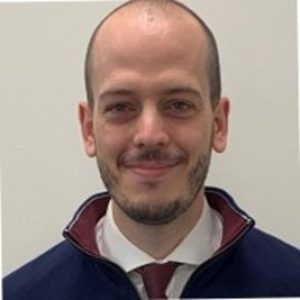
BVSc MSc PgCert CertAVP DipECVIM-CA MRCVS
RCVS Recognised Specialist in Small Animal Medicine
Cameron is a European Diplomate in Small Animal Internal Medicine. Passionate about fungal disease, antimicrobial stewardship, endocrinopathy, and facilitating multiple studies to enhance the evidence base of veterinary medicine. Keen to build collaborative projects with colleagues across Europe and to promote clinical research in practice.
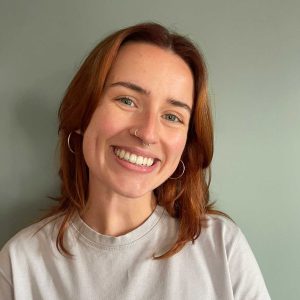
I am a graduate from the National University of Galway with an Honours BSc in Pharmacology, and a recent graduate from Maynooth University with a MSc in Immunology & Global Health. Throughout university, I was an active member of the Global Health Network, which was a student-led group focusing on health, equity, and international development. Here is where I became interested in the global impact of AMR and the multiple factors that influence its spread. I chose to focus my studies on the mechanisms behind resistance and vaccination design; however, I understand that in order to have a global impact, there needs to be global awareness.
The AMR Narrative provides lived experiences and stories from those affected by resistance, something I believe is so important and why I wanted to help share these stories on social media. Translating scientific knowledge into digestible and understandable language is critical for fighting resistance.
Nduta is a global health pharmacist and AMR consultant recognised for her leadership in antimicrobial stewardship, One Health, and healthcare equity. She has shaped AMR strategies and advanced healthcare accessibility across Africa, with a significant portfolio that includes contributions to the Commonwealth Partnerships for Antimicrobial Stewardship (CwPAMS) programmes. As Technical Lead, she oversaw the co-development of the Quadripartite Antimicrobial Resistance Toolkit for Youth Engagement, now used globally to drive advocacy and behaviour change.
Her expertise spans supply chains, pricing, and substandard and falsified medicines, and her research is published in the WHO Bulletin and peer-reviewed journals, informing regional and global AMR policy and practice.

Dr Marie-Anne Bouldouyre is an infectious diseases physician and hospital practitioner in Paris. Twelve years of clinical work in a suburban hospital shaped her understanding of access to care, patient relationships, and the daily reality of antimicrobial resistance.
Since 2022, she has led the Regional Antibiotic Stewardship Centre in Île-de-France and coordinates the national network, working with a multidisciplinary team to promote responsible antibiotic use and strengthen collaboration among healthcare professionals. She also continues to manage complex infections at Saint-Louis Hospital.
Convinced that antimicrobial resistance cannot be tackled by healthcare workers alone, she advocates for the active involvement of patients : understanding, questioning, and taking part in decisions about antibiotics. Their stories are essential to making this issue visible and concrete.
She is proud to collaborate with initiatives such as The AMR Narrative and hopes to foster similar projects in France to give patients a voice in this shared fight.

Dr Erva Cinar is a London based paediatric resident doctor and clinical researcher with interest in infectious diseases.
She is currently completing a Master’s in Public Health at the London School of Hygiene & Tropical Medicine. Through the World Medical Association’s Junior Doctor’s Network (WMA-JDN) AMR Working Group, she engages in policy and advocacy on antimicrobial resistance and stewardship at global level.
Alongside her clinical and academic roles, she works with the Royal College of Paediatrics and Child Health (RCPCH) and the International Child Health Group (ICHG); leads on organising teaching resources and educational events to improve research skills for UK paediatric trainees and for global child health professionals.

Hamu Madzedze is a seasoned Zimbabwean journalist with over 15 years’ experience.
She previously worked for the Zimbabwe Broadcasting Corporation as a reporter and sub-editor, before establishing an independent website, 365HealthDiaries, which focuses on health and gender issues.
She holds a BA in Media Studies and a BA (Special Honours) in Communication and Media from the Zimbabwe Open University, as well as a diploma from the Christian College of Southern Africa.
Her work has been recognised with several awards, including the Global AMR Special Mention Award (2024), the Sexual Health Rights and Equity Fellowship Special Mention Award (2025), and the Merck Foundation Award (2024) for outstanding coverage of health issues, gender, infertility, and genital mutilation, where she achieved third position in the Online Category.
Hamu is passionate about addressing AMR through the media.

Dr. Jomana Musmar is a distinguished global policy expert and proactive leader with over fifteen years of government experience in strategic planning, operational design, and policy execution. Renowned for simplifying complex topics with expertise and diplomacy, she has spearheaded innovative solutions to global health challenges, shaped impactful policies, and advanced national and international missions.
As the Executive Director of the Presidential Advisory Council on Combating Antibiotic-Resistant Bacteria, she established and led the council’s operations, liaising with over 600 experts, worldwide, across government, industry, and academia. Her efforts culminated in the development of critical recommendations addressing antimicrobial resistance and interrelated One Health issues, influencing both domestic and global health strategies.
In her tenure as Deputy Director of Strategic Initiatives for the Office of Infectious Diseases and HIV/AIDS Policy, at the US Department of Health and Human Services, Dr. Musmar oversaw the formulation and implementation of national health strategies for vaccines and a range of infectious diseases including HIV/AIDS and viral hepatitis. Her leadership and technical expertise facilitated groundbreaking policies during national emergencies, including responses to the COVID-19 pandemic, and initiatives to combat congenital syphilis and childhood vaccination disruptions. Dr. Musmar holds a Ph.D. in Biodefense from George Mason University, a Master’s degree in Biomedical Science policy and Advocacy from Georgetown University, and is a Lean Six Sigma Black Belt. Fluent in English and Arabic, she is a sought-after speaker and advisor, having represented the United States at premier global health conferences.
Her published works on antimicrobial resistance, pandemic preparedness, and national health security underscore her reputation as a thought leader and innovator in public health and biodefense.
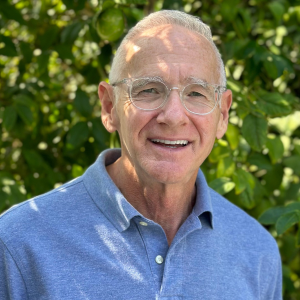
Chris Shaffer was a music, special education teacher, and high school principal for 45 years. At the end of his educational career, he was thrust into the world of AMR infections when a number of abdominal surgeries left him with an E-coli infection which failed to respond to antibiotics. After doctors in the USA left him with little hope for a cure, diminishing health, and a bleak prognosis, he set out on his own.
Chris found success in phage therapy at the Eliava Phage Therapy Center in Tbilisi, Georgia. With phage therapy giving Chris his life back, he has dedicated his retirement years to advocating for and helping raise awareness of phage therapy used for AMR infections. He tells the story of his phage journey in a book titled, Finding Phage: How I Partnered with a Friendly Virus to Cure My Deadly Bacterial Superinfection. His website, phagetherpyusa.com helps others learn to understand the healing power of phage therapy.
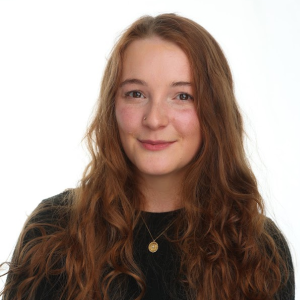
Demi is an Associate Scientific Director at a medical communications agency, with a background in microbiology and a longstanding focus on antimicrobial resistance. She holds an MSc in Microbiology, where she first became interested in the global challenge of resistance and the need to bring scientific understanding to wider audiences.
Demi’s career has centred on a simple but powerful belief: that how we communicate science matters. Her work focuses on making complex data clear, engaging, and accessible – whether for healthcare professionals, policy makers, or the patients most affected by infection and resistance. She has contributed to a wide range of AMR-focused projects, including educational programmes, congress communications and stewardship initiatives.
A central thread in Demi’s work is the importance of the patient voice. She is passionate about making sure real-world experiences of treatment failure, recurrent infections, and the anxiety surrounding resistance are not lost in the data. She believes that listening to patients and involving them meaningfully is essential for shaping more effective, human-centred responses to AMR.
Demi is also a strong advocate of the One Health approach, recognising AMR as a complex, interconnected issue that spans human health, animal health, and the environment. She is particularly drawn to efforts that move beyond siloed thinking and focus on practical, joined-up solutions.
In 2025, Demi joined The AMR Narrative as an Independent Advisor, where she supports the charity’s mission to centre communication, community, and inclusion in the global AMR response.
Outside of work, she is a Girlguiding unit leader and a qualified yoga teacher. These roles reflect her commitment to care, learning, and creating supportive spaces for others.
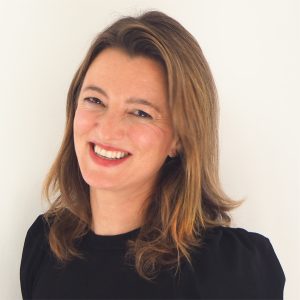
Andrea has worked in health communications and campaigning for 3 decades. She is committed to fighting AMR through timely and appropriate communications globally,.
Andrea set up Skating Panda, the creative social and environmental impact consultancy, over a decade ago and drives its impact and growth. Focused on original and lasting public interest communications as well as issue strategy and advocacy, the Panda team has a track record of prompting tipping points in the status quo that drive better social and planetary outcomes.
Andrea’s combination of commercial marketing and development experience with deep issue knowledge have been sought by decision-makers at global summits, corporate and NGO board members, and have enabled her to set up multi-million fundraising platforms and push through policies that change and save lives.
Andrea is Vice Chair of mothers2mothers, the world’s largest employer of women living with HIV, and a Board Director of Maymessy, a food poverty social enterprise.
A lifelong advocate for gender equality, she played a key role in establishing the UK’s Women’s Equality Party.

Professor Esmita Charani is a pharmacist and researcher investigating how we use antibiotics in different cultural and social contexts. She works with teams in the UK, India, and South Africa to develop research programmes investigating all aspects of antimicrobial resistance in human populations with a focus in hospital settings.
She has experience in communicating her research with patients and the public through various media including animations, blogs, and educational videos.