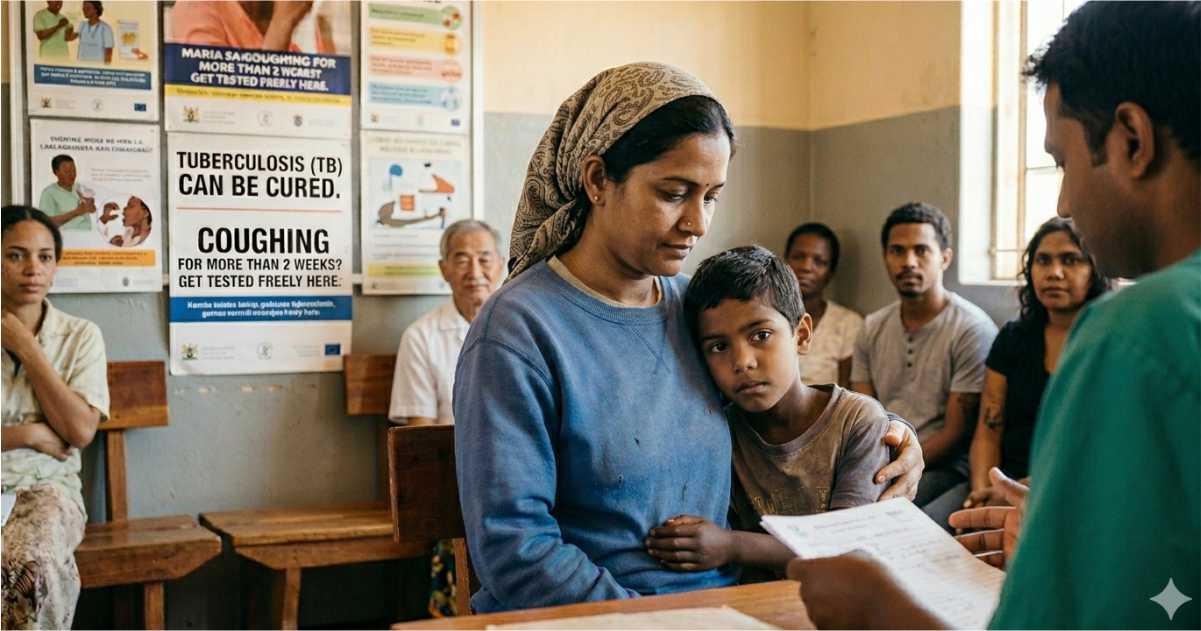
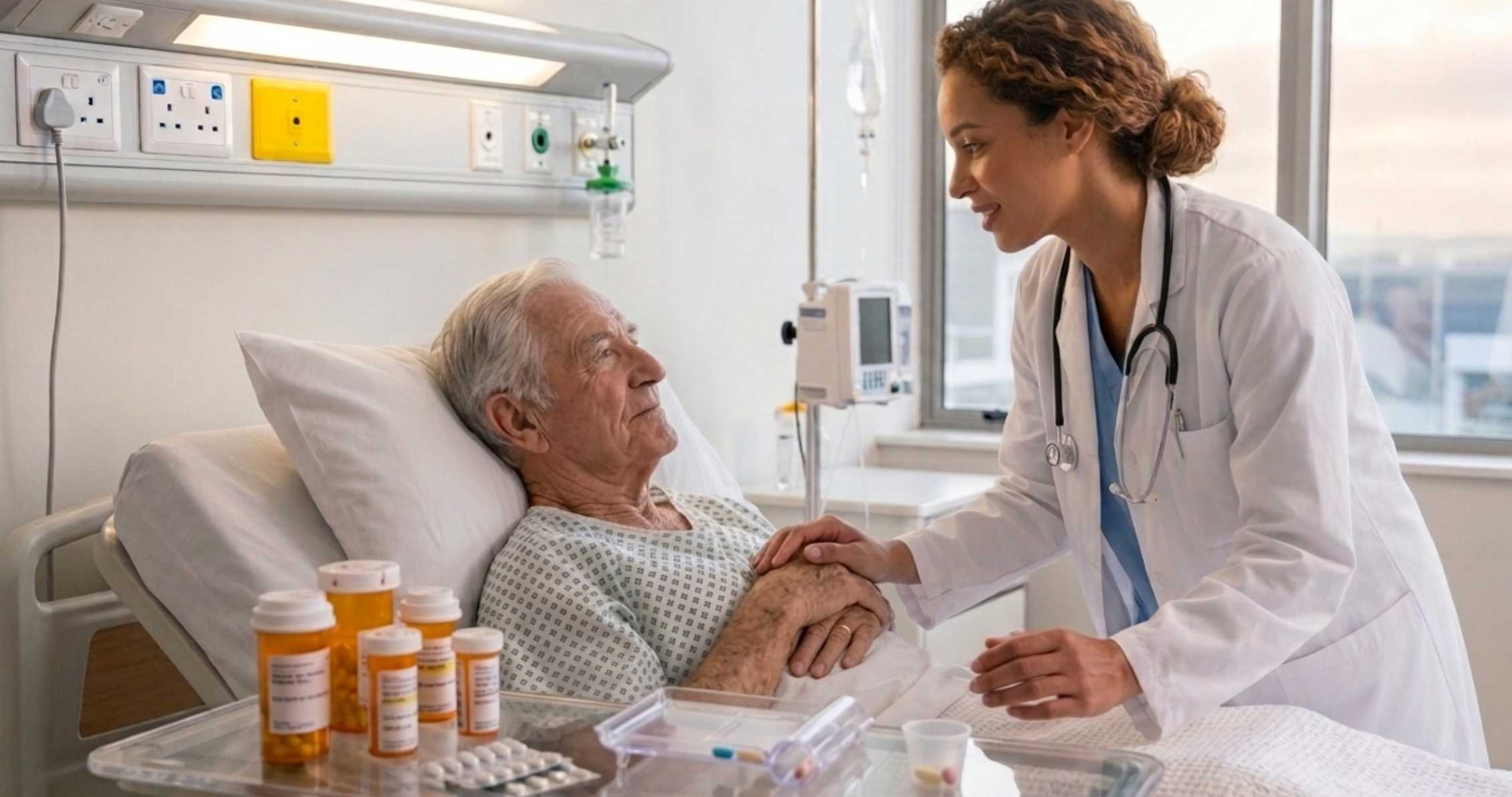
Image generated by Gemini
When most people hear about Antimicrobial Resistance (AMR), they often think of it as a scientific problem: bacteria becoming stronger, medicines losing effectiveness, and the growing struggle to stay ahead with effective treatments.
However, for patients living with drug-resistant infections, AMR is not just a medical issue: it is an emotional journey, too often overlooked by others.
In this blog, we will explore the uncertainty, isolation, and stigma experienced by patients, and highlight how storytelling, the support of healthcare professionals, and compassionate communication can make a real difference.
One of the most distressing aspects of AMR is the uncertainty. In most cases, bacterial infections respond to antibiotics, and recovery is expected quickly. However, with resistant infections that certainty disappears: treatments may fail, alternative options are often limited or less effective.
This unpredictability can be unsettling. Patients constantly worry about whether their condition will improve or worsen, and the lack of clear answers makes it difficult to even plan for the future. Over time, this prolonged period of uncertainty can affect concentration, sleep, mood, and overall well-being, making recovery even more difficult.
AMR can also lead to a strong sense of isolation. In hospital settings, patients with drug-resistant infections are often placed in isolation to prevent the spread of microorganisms. While this precaution is necessary for safety, it can intensify feelings of separation and loneliness. Limited contact with family and friends can make patients feel cut off from the world when they most need support.
Some individuals fear being perceived as contagious or dangerous, a concern that can undermine self-confidence and encourage social withdrawal. Even after recovery, these feelings may persist, shaping how individuals see themselves and interact with others.
On top of that, patients may also experience a sense of stigma, feeling judged, misunderstood, or treated differently simply because of their condition. This invisible burden can amplify shame and fear.
The psychological impact of AMR can take many forms, and daily life may be affected in subtle but significant ways. People may avoid travel, social gatherings, or even routine activities due to anxiety or fear of reinfection or complication. This can reduce quality of life and create a sense of limitation or loss of independence.
Importantly, the emotional burden is not limited to patients. Caregivers often share in the stress, worrying about their loved one’s conditions, and feeling helpless and powerless.
An effective way to address the psychological impact of AMR is through storytelling. While scientific data show the scale of the problem, personal stories reveal its human dimension, bringing these experiences to life. By sharing their narratives, patients can reduce feelings of isolation and foster a sense of connection with others who have faced similar experiences.
Storytelling can also reduce stigma. When people hear real experiences, they are more likely to respond with empathy rather than fear. It reminds us that AMR is not just a distant threat, but something that can affect anyone. Finally, stories can turn awareness into action, raising awareness and inspiring people to adopt responsible behaviours, such as using antibiotics appropriately.
Healthcare systems can play a central role in addressing the emotional impact of AMR, as the way care is delivered significantly influences how patients experience their condition.
Healthcare professionals must look beyond the infection itself. They need a deeper understanding of how AMR affects individuals both physically and emotionally, and the ability to communicate clearly and compassionately.
Even small actions by healthcare workers can make a big difference: taking time to listen to patients, explaining medical terms in plain language, encouraging questions, and acknowledging the emotional impact of the situation. When patients feel truly heard and understand their condition, they are better equipped to cope with uncertainty, more likely to feel supported and less overwhelmed.
Patients need straightforward access to plain and reliable information about AMR. This information should be developed with input from patients, and tailored to diverse literacy levels, languages, and cultural contexts.
At the same time, support groups and counselling should be available and easy to access for people living with AMR, much like the well-established networks helping cancer patients.
The need to listen to both patients and caregivers. Their powerful stories offer valuable insights into what is working well and what areas need improvement. AMR is often described as a “silent pandemic”, but for those living with it, the experience is anything but silent.
Until we start listening to these stories, we will continue to underestimate the true impact of AMR.
Patients living with a drug-resistant infection do not have to face this journey alone: support is available every step of the way!
Caring for both physical and emotional health is essential for overall well-being and for achieving a more complete and lasting recovery. For this reason, reaching out to healthcare professionals can make a real difference, as they offer not only expert medical guidance but also reassurance, clear information, and understanding during uncertain times
Patients should always be encouraged to ask questions, share concerns, participate actively in care decisions, and seek the support they need.
Because every voice matters.

Francesco M. Labricciosa
Francesco M. Labricciosa graduated in Medicine and Surgery from the University of Pavia (Italy), in 2007. After completing a post-graduate diploma in Primary Care Medicine and gaining clinical experience in different healthcare settings, he qualified as a Public Health Specialist.
Antimicrobial resistance (AMR), optimal and prudent use of antimicrobials, and awareness towards consumption of these medications represent his main fields of interest.
Since 2016, he has been collaborating with the Global Alliance for Infections in Surgery. He participated in several international research projects focused on prevention and management of healthcare-associated infections, surgical antibiotic prophylaxis, antimicrobial therapy in intra-abdominal infections, and antimicrobial stewardship programs. He authored 45+ scientific articles in high-impact, PubMed-indexed journals.
In 2023, he started an interesting collaboration with The AMR Narrative as an Independent Advisor, developing educational contents and writing blog articles to promote public awareness and understanding of AMR.
Moreover, he works with several medical communication agencies, supporting the design and development of scientific materials tailored to different audiences, from healthcare professionals to the general public.
Disclaimer: The information provided on this website is intended for educational purposes only. It is not intended to be a substitute for professional medical advice, diagnosis, or treatment. Always seek the advice of your physician or other qualified health provider with any questions you may have regarding a medical condition. Never disregard professional medical advice or delay in seeking it because of something you have read on this website. Reliance on any information provided on this website is solely at your own risk. The website owners and authors are not responsible for any errors or omissions in the content or for any actions taken based on the information provided. It is recommended that you consult a qualified healthcare professional for individualised medical and health-related guidance.